
When businesses, schools, government facilities, houses of worship, stadiums, and other organizations invest in audio visual technology, choosing the right equipment is only part of the process. Displays, speakers, microphones, cameras, control systems, and video conferencing platforms all play important roles, but getting those technologies to work together effectively requires planning and expertise. That is where an AV integrator comes in.
An AV integrator brings together the technology, infrastructure, design, installation, programming, and support needed to create a complete audio visual system. Instead of simply installing individual pieces of equipment, an AV integrator looks at how the entire system needs to function and designs a solution around the people who will use it.
What Is an AV Integrator?
An AV integrator is a company or team that designs, installs, programs, and supports professional audio visual systems. The goal is to make multiple technologies work together as one cohesive system.
A typical AV system might include displays, projectors, speakers, microphones, cameras, video conferencing equipment, digital signage, control systems, and network-based video distribution. An AV integrator determines how those components should work together based on the space, the organization’s goals, and the people using the system.
This is different from purchasing equipment and having someone simply connect it. A professionally integrated system is designed around performance, usability, reliability, and future needs.
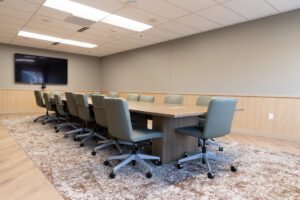
For example, a conference room may need video conferencing, multiple displays, ceiling speakers, microphones, room scheduling, lighting control, and a simple touch-panel interface. An AV integrator considers how all of these systems interact and creates a solution that allows users to operate the room without having to understand the technology behind it.
What Does an AV Integrator Do?
The responsibilities of an AV integrator can vary depending on the size and complexity of a project, but the process typically includes several key stages.
1. Assessing the Space and Understanding the Goals
Every successful AV project starts with understanding how the space will be used.
An AV integrator works with stakeholders to identify the organization’s goals, challenges, and requirements. This can include determining how many people will use the room, what types of presentations or events will take place, how people need to communicate, and what existing technology or infrastructure is available.
The physical space also matters. Room dimensions, acoustics, lighting, seating arrangements, sightlines, ceiling construction, network infrastructure, and electrical requirements can all affect the final system design.
The result is a technology solution based on the actual needs of the space rather than a collection of products.
2. Designing the AV System
Once the requirements are understood, the AV integrator develops a system design.
This can include determining the appropriate displays, projectors, speakers, microphones, cameras, control systems, signal distribution equipment, and other technology. The integrator also determines how those components will communicate with one another.
Professional AV design can become especially important for larger or more complex environments. A stadium, university campus, corporate headquarters, or government facility may have dozens or even hundreds of devices that need to work together.
Good design also considers what happens behind the scenes. Equipment locations, cable pathways, rack layouts, network connections, power requirements, and future expansion all need to be considered before installation begins.
3. Installing the Equipment and Infrastructure
After the system has been designed, the AV integrator installs the technology and supporting infrastructure.
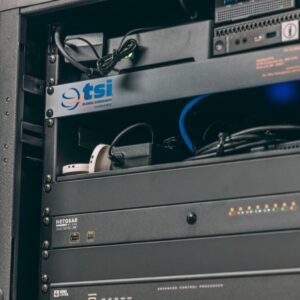
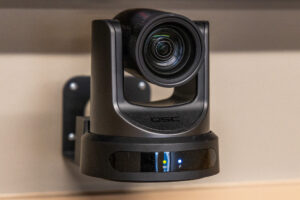
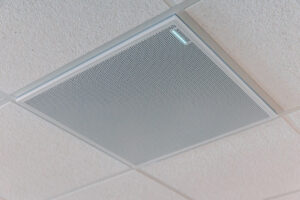
This can include mounting displays and projectors, installing speakers and microphones, installing cameras, building equipment racks, running cabling, connecting network-based AV systems, and integrating equipment with existing infrastructure.
Professional installation is about more than making equipment look clean. Components need to be positioned correctly to achieve the desired performance, while cabling and equipment need to be organized for reliability and future maintenance.
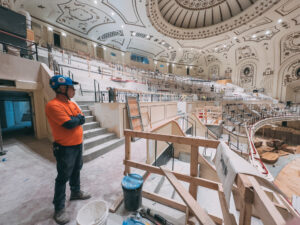
For larger projects, AV installation may also need to be coordinated with electrical contractors, IT teams, architects, general contractors, and other trades.
4. Programming and Integrating the Technology
One of the most important differences between installing AV equipment and professionally integrating an AV system is programming.
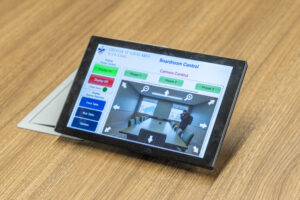
Modern AV systems can include sophisticated control platforms that allow users to operate multiple technologies from one interface.
For example, pressing a single button in a conference room might turn on the displays, select the appropriate video source, lower a projection screen, activate the room’s audio system, and launch a video conference.
An AV integrator programs these interactions so the system behaves the way users expect.
The goal is to make complicated technology feel simple.
5. Testing and Commissioning the System
Before an AV system is turned over to the customer, it needs to be tested.
An AV integrator verifies that individual components are working properly and that the complete system operates as designed. This can include testing audio levels, microphone coverage, display performance, video signals, cameras, control systems, network connectivity, and other components.
Testing also provides an opportunity to identify problems before the customer begins using the system.
For complex installations, commissioning is an important step in ensuring the finished system performs according to the original design.
6. Training the People Who Use the System
Even the best AV system is not effective if users do not know how to operate it.
An AV integrator can provide training for employees, teachers, staff members, event teams, facility managers, and other users. Training may cover everyday operation as well as basic troubleshooting.
Good user training helps organizations get more value from their technology while reducing confusion and unnecessary support calls.
The best AV systems are not necessarily the ones with the most features. They are the ones people can confidently use.
7. Providing Ongoing Service and Support
An AV integrator’s job does not necessarily end when installation is complete.
Technology changes, equipment eventually requires maintenance, and organizations’ needs evolve. Ongoing service and support can help keep systems operating reliably over time.
Support may include troubleshooting, preventive maintenance, equipment replacement, system updates, remote assistance, on-site service, and technology upgrades.
For organizations that rely heavily on AV technology for meetings, classrooms, events, communication, or daily operations, ongoing support can be just as important as the original installation.
Why Work With an AV Integrator?
There are plenty of places to purchase AV equipment. The value of an AV integrator comes from knowing how to turn those individual products into a system that works together.
Working with an AV integrator can provide several advantages.





A Complete System Instead of Individual Products
An integrator considers the entire technology ecosystem rather than focusing on one piece of equipment at a time.
A display may have excellent image quality, but that does not mean it is the right display for every room. A speaker may sound great on its own, but proper speaker placement and system tuning are necessary to achieve consistent coverage.
Integration connects those individual decisions into one complete solution.
Better User Experience
Technology should support people rather than create additional obstacles.
An AV integrator designs systems with the end user in mind. Simple controls, intuitive interfaces, consistent room configurations, and reliable performance can make a significant difference in how people interact with technology.
Professional Design and Installation
Complex AV systems require more than basic equipment knowledge. They require an understanding of acoustics, signal flow, networking, infrastructure, room design, control systems, and the interaction between different technologies.
Professional design and installation help ensure the system performs as intended.
Scalability and Future Planning
Technology needs rarely stay the same forever.
An organization may eventually add additional conference rooms, upgrade displays, expand video conferencing capabilities, or integrate new technologies. A well-designed AV system can account for future needs and make future upgrades easier.
What Types of Spaces Use AV Integrators?
AV integration is used across a wide range of industries and environments.
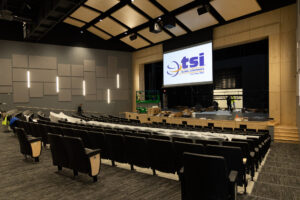
Corporate offices may use integrated AV systems in conference rooms, training rooms, boardrooms, and collaboration spaces. Schools and universities may use AV technology in classrooms, lecture halls, auditoriums, athletic facilities, and campus-wide communication systems.
Government organizations can use professional AV systems for council chambers, public meetings, training facilities, and administrative spaces.
Hospitals, hospitality venues, restaurants, houses of worship, entertainment facilities, and sports venues can also benefit from professionally integrated audio visual technology.
Each environment presents different challenges, which is why an AV solution should be designed around the space and its intended use.
AV Integration Is About More Than Technology
At its core, AV integration is about creating better ways for people to communicate, collaborate, present, learn, and connect.
The technology itself is only one part of the equation. A successful AV system combines thoughtful design, reliable infrastructure, quality equipment, professional installation, intuitive control, and ongoing support.
That is why choosing an experienced AV integrator can make a significant difference in the long-term performance of an AV investment.
TSI: Your AV Integration Partner
At TSI Global, we approach AV integration with the entire system in mind. Our team provides professional AV design, engineering, installation, integration, programming, training, and ongoing service and support.
From corporate conference rooms and educational facilities to government spaces, houses of worship, hospitality venues, and large-scale entertainment environments, we design technology around the people who use it.
Our approach goes beyond installing equipment. We work to create reliable, intuitive systems that support communication, collaboration, and the overall experience within a space.
When your organization needs more than individual AV equipment, an experienced AV integrator can help bring the entire system together—from initial design through installation and long-term support.
Looking for an AV integrator for your next project? Contact TSI Global to discuss your space, goals, and technology needs.