
Professional live audio is about much more than making sound louder. The right audio system should deliver clear, consistent sound throughout a space while giving performers, presenters, staff, and audiences the control and flexibility they need. Because no two venues are exactly alike, the best results come from a custom solution designed around the unique characteristics and purpose of each space.
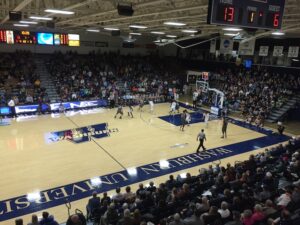
Whether it is a concert venue, event center, theater, house of worship, school, corporate facility, casino, or community space, every environment presents its own audio challenges. Room dimensions, acoustics, audience size, seating configuration, stage location, ceiling height, and the types of events being hosted all play a role in determining what a professional live audio system should look like.
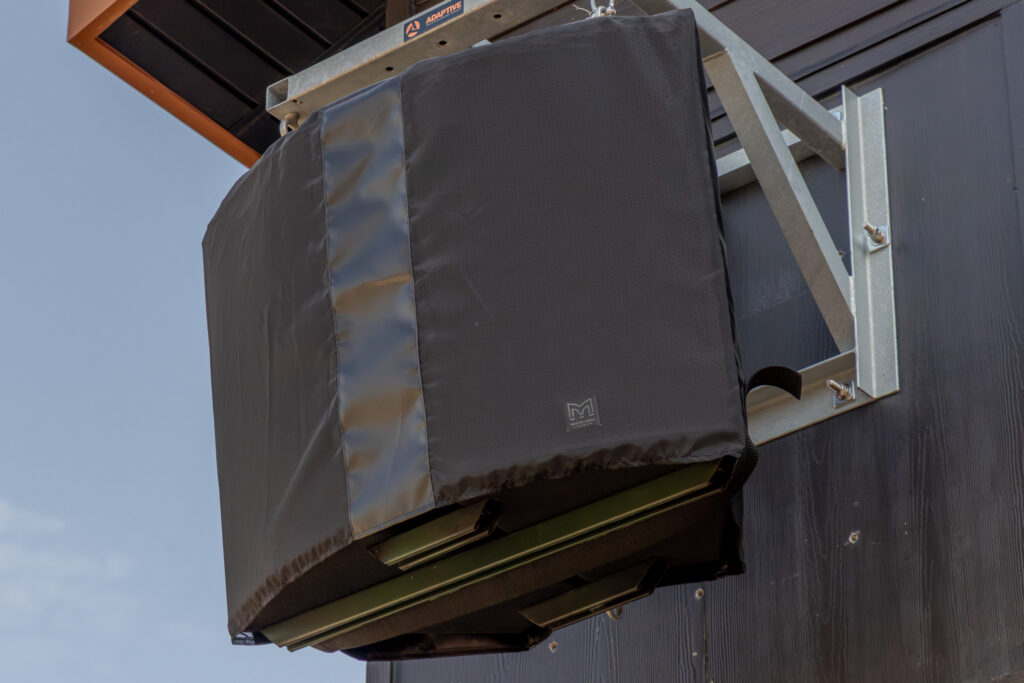
Every Space Has Its Own Sound
One of the first considerations in professional live audio design is the space itself. Sound behaves differently depending on the physical characteristics of a room. Hard surfaces can create reflections and unwanted reverberation, while large open spaces can make it difficult to maintain consistent sound levels throughout the audience.
A system that performs exceptionally well in one venue may not provide the same results in another. Simply moving the same speakers and equipment into a different room does not account for those differences.
That is why professional audio design begins with understanding the environment. By evaluating the room, its acoustics, layout, and intended use, an audio system can be designed to work with the space rather than against it.
Consistent Sound From Front to Back
A successful professional live audio system should provide a consistent listening experience throughout the audience. Someone sitting near the front should not experience dramatically different sound than someone sitting in the back or along the sides of the room.
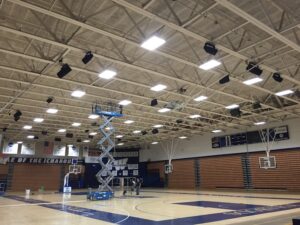
Achieving that consistency requires careful consideration of speaker placement, coverage patterns, system zoning, amplification, subwoofer placement, and, when necessary, supplemental or delay speakers.
The goal is not simply to make sure everyone can hear. It is to create balanced coverage so that voices remain intelligible, music maintains its impact, and the overall experience feels intentional throughout the space.
More Volume Isn’t Always Better
When an audio system isn’t performing properly, the instinct can sometimes be to turn up the volume. But increasing volume does not solve problems caused by poor coverage, acoustics, speaker placement, or system configuration.
Professional live audio is about clarity, control, and consistency. A properly designed system delivers the appropriate sound level without unnecessary distortion, feedback, or uneven coverage.
This becomes especially important in spaces that need to accommodate both speech and music. A presentation may require excellent speech intelligibility, while a concert may demand powerful low-frequency performance and a wider dynamic range. The system needs to support both without sacrificing the quality of either.
Designing Around the Way a Space Is Used
The right audio solution also depends on what happens inside the space.
A multipurpose venue may host a live band one night, a corporate presentation the next day, and a community event the following week. Each application can have different audio requirements.
Professional live audio systems can be designed with flexibility in mind, allowing different zones, inputs, microphones, monitors, speakers, and control options to be used depending on the event.
This is where a custom approach becomes particularly valuable. Instead of forcing a venue to work around a predetermined equipment package, the technology can be designed around the way the space actually operates.




The Technology Behind the Experience
A professional audio system is made up of much more than speakers. Microphones, mixing consoles, amplifiers, digital signal processing, audio networking, monitors, control systems, and infrastructure all need to work together.
Each component has a role in creating the finished experience, and the way those components are selected and integrated can have a significant impact on performance.
For example, digital signal processing can help manage equalization, routing, speaker alignment, system zoning, and other aspects of the audio environment. Control systems can also make it easier for staff to operate a complex system without requiring an audio engineer for every event.
The result should be powerful technology that remains practical and intuitive for the people using it.
Professional Installation and Tuning Matter
Even the best equipment cannot compensate for poor system design or installation. Once a professional live audio system is installed, it needs to be properly configured, tested, and tuned for the environment.
System tuning can help optimize speaker performance, balance coverage, manage frequencies, address potential feedback issues, and ensure the system performs as intended throughout the space.
This final step is an important part of delivering a complete solution. The objective is not simply to install equipment and turn it on. It is to make sure the entire system works together as designed.
A Custom Solution Starts With the Client
At TSI Global, professional live audio design starts with understanding the client, the space, and the experience they want to create.
Our team considers the unique characteristics of each environment and the demands that will be placed on the system. From system design and engineering to installation, integration, and ongoing support, every component is selected with the larger solution in mind.
There is no universal audio system that works perfectly for every venue. The right solution is the one designed specifically for the people, space, and application.
Whether the goal is to deliver powerful live music, crystal-clear presentations, reliable event audio, or a flexible system capable of supporting multiple uses, professional live audio should be designed around the experience—not simply the equipment.
The best sound systems don’t just fill a room. They are designed to make the entire space work.