
Clear, reliable audio is essential in conference rooms, auditoriums, houses of worship, classrooms, and other commercial spaces. But even a high-quality sound system can struggle when microphones produce unwanted noise, speakers are poorly positioned, or the room itself creates acoustic challenges. One of the most common issues is audio feedback, which can disrupt communication, distract audiences, and make presentations difficult to follow.
Understanding how to prevent audio feedback starts with recognizing that great sound depends on more than the speakers you install. Microphones, room acoustics, equipment placement, signal processing, and system design all play important roles in creating an effective audio environment.
At TSI Global, we take a comprehensive approach to professional audio, helping organizations build systems designed around their spaces, their people, and the way they communicate.
What Causes Audio Feedback?
Audio feedback occurs when sound from a speaker is picked up by a microphone, amplified through the sound system, and played through the speaker again. When this cycle repeats and the sound continues to increase, it creates the familiar high-pitched squeal or ringing noise that can interrupt a meeting or presentation.
Feedback is often associated with microphones being too close to speakers, but several other factors can contribute to the problem. Excessive microphone gain, poor speaker placement, reflective surfaces, and improperly configured audio equipment can all increase the likelihood of feedback.
In many cases, the issue isn’t a defective speaker or microphone. It’s the way the entire audio system interacts with the room.
That’s why learning how to prevent audio feedback requires looking beyond individual pieces of equipment and considering how every component works together.
5 Ways to Prevent Audio Feedback
1. Position Microphones and Speakers Correctly
Equipment placement is one of the most effective ways to reduce audio feedback. Microphones should be positioned to capture the intended speaker while minimizing the amount of sound they pick up from nearby loudspeakers.
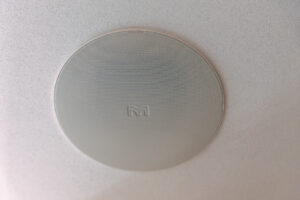
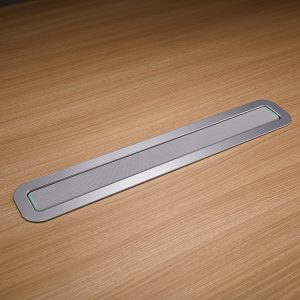
For handheld microphones, this means keeping the microphone close to the speaker’s mouth and directing it away from loudspeakers whenever possible. In conference rooms, ceiling microphones, tabletop microphones, and installed speakers must be positioned with the room’s layout and intended use in mind.
Directional microphones can also help capture sound from specific areas while rejecting sound from others. However, microphone selection and placement should be coordinated with the speaker layout to achieve the best results.
2. Choose the Right Microphones for Your Space
Not every microphone is designed for every environment. A microphone that works well for a presenter standing at a podium may not be the best choice for a conference room where multiple people participate in discussions.
Handheld, lavalier, gooseneck, boundary, and ceiling microphones each have different pickup characteristics and ideal applications. Selecting the right type can improve speech clarity while reducing the amount of unwanted sound entering the system.
Microphone quality matters, but so does understanding how the microphone will be used. The right equipment should support the room’s purpose, the number of participants, and the way people naturally communicate within the space.
3. Manage Microphone Gain and Audio Processing
Microphone gain determines how strongly an incoming audio signal is amplified. When gain is set too high, microphones can pick up excessive background noise and make the system more susceptible to feedback.
Proper gain structure helps maintain a healthy audio signal throughout the system without introducing unnecessary amplification. Digital signal processors can also provide tools such as equalization, automatic mixing, and feedback suppression to help manage audio performance.
These tools are most effective when configured as part of a properly designed system. Simply turning down the volume or relying on automatic feedback suppression may reduce the symptoms without addressing the underlying cause.
4. Account for Room Acoustics
The physical characteristics of a room have a significant impact on sound quality. Hard surfaces, glass walls, high ceilings, and large open spaces can create reflections that make speech difficult to understand.
While reverberation and feedback are different issues, poor room acoustics can complicate microphone performance and make clear audio more difficult to achieve. Sound reflections may cause microphones to capture unwanted energy, while excessive reverberation can make voices sound muddy or indistinct.
Acoustic treatments, appropriate speaker coverage, and thoughtful equipment placement can help manage these challenges. The goal is to deliver clear, consistent sound throughout the space without creating unnecessarily loud areas or leaving listeners struggling to hear.
5. Design the Entire Audio System to Work Together
Perhaps the most important step in preventing audio feedback is ensuring that every component of the system is designed to work together.
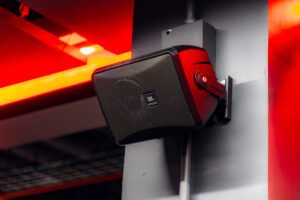
Speakers, microphones, amplifiers, digital signal processors, control systems, and room acoustics all influence the final result. Installing powerful speakers alone won’t guarantee clear audio if the microphones are unsuitable, the system is poorly tuned, or the sound isn’t distributed effectively.
A properly designed professional audio system considers the room’s size, shape, occupancy, intended use, and existing infrastructure. It also accounts for how users will operate the equipment, helping make everyday use more intuitive and reliable.
When these elements are considered together, organizations can reduce audio problems while improving speech intelligibility, consistency, and the overall user experience.








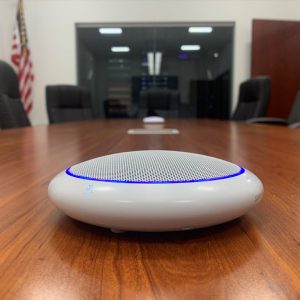
Why Your Space Needs More Than Just Speakers
It’s easy to focus on speakers when planning an audio upgrade. After all, they’re the most visible part of many sound systems, and they’re responsible for delivering sound to the audience. However, speakers are only one part of the larger audio environment.
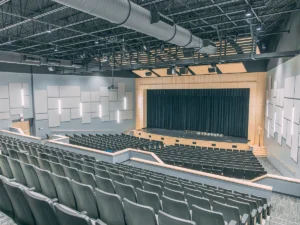
A successful audio solution begins with understanding what the space needs to accomplish. A corporate conference room may require clear speech pickup for both in-person and remote participants. A house of worship may need consistent coverage across a sanctuary, reliable wireless microphones, and support for music and spoken word. An auditorium may require different microphone configurations, multiple audio zones, and greater control over sound distribution.
Each environment presents different challenges, and the right solution depends on more than equipment specifications.
Professional audio design brings these considerations together. Through system planning, equipment selection, installation, programming, and testing, organizations can create sound environments that support their intended activities rather than forcing users to work around technical limitations.
The result is an audio system that sounds better, operates more consistently, and helps people communicate with confidence.
How TSI Global Helps Deliver Better Audio
At TSI Global, we understand that effective audio is about more than installing equipment. It’s about designing systems that work for the people using them and the spaces where they’re installed.
Our team works with organizations to evaluate their audio needs, identify potential challenges, and develop solutions that support clear communication and reliable performance. From microphone selection and speaker placement to system processing, integration, and ongoing support, we consider the complete environment when planning professional audio solutions.
We also work with leading audio technology partners to help identify equipment that fits each project’s needs, goals, and budget. Whether you’re outfitting a new facility, upgrading an existing sound system, or troubleshooting persistent feedback issues, our team can help you determine the best path forward.
If your current audio system frequently produces feedback, struggles with speech clarity, or requires constant adjustments to sound right, it may be time to look beyond the speakers.
Contact TSI Global to discuss your professional audio needs and discover how a thoughtfully designed sound system can improve communication throughout your space.