A reliable security system is no longer optional, it’s a critical part of protecting your people, assets, and A reliable security system is no longer optional, it is an essential component of running a successful business in today’s world. A strong security system protects your employees, your physical assets, and even sensitive data, creating a safer environment for everyone involved. Yet, despite its importance, many businesses are unsure about what they really need or how to select the right solution. Choosing the right system can feel overwhelming given the variety of technologies available, from traditional alarms and locks to modern, integrated solutions that combine surveillance, access control, and alarm monitoring. Understanding the questions you should ask before investing in a security system is the first step toward creating a robust, reliable security strategy that fits your business goals, size, and budget.
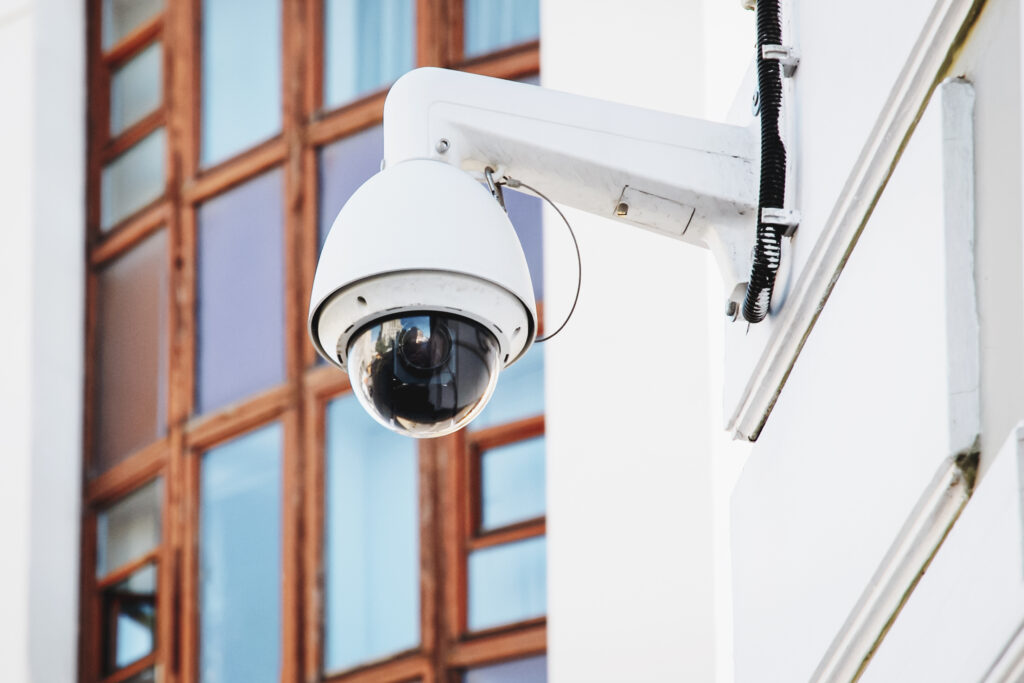
Modern security systems are highly adaptable, capable of supporting businesses of all sizes and industries. Small retail locations can benefit from a simple camera network combined with access control, while larger enterprises may require comprehensive systems with hundreds of cameras, advanced analytics, and integration with other operational technologies. Today’s security systems are not just reactive tools; they are proactive solutions designed to prevent incidents, deter criminal activity, and provide evidence when events occur. By implementing a system that aligns with your business’s operational needs, you can create a secure environment that promotes productivity, reduces risk, and provides peace of mind to employees and stakeholders.
To help guide your decision-making, here are ten essential questions every business should ask when evaluating a commercial security system. These questions are designed to clarify your priorities, uncover hidden risks, and ensure that your investment delivers reliable protection for years to come.
1. What Type of Security System is Best for My Business?
Every business is unique, and the right security system depends on many factors, including the size of the business, the type of operations conducted, the location, and the potential risk level. Consulting with a security expert can help you understand which technologies are most effective for your environment. For example, a retail store may benefit most from a combination of cameras and point-of-sale monitoring, while a corporate campus may require advanced access control and extensive surveillance coverage. A thorough assessment ensures you choose a system that meets your specific needs without overspending on unnecessary features.
2. Can the Security System Scale as My Business Grows?
A business is never static, and neither should your security system be. As your operations expand, the number of employees, entrances, and vulnerable areas may increase, requiring additional cameras, access points, or even advanced analytics features. Ensuring that both your system and provider can adapt to these changes is crucial. A scalable system protects your initial investment while allowing you to enhance security over time, maintaining consistent protection no matter how your business evolves.
3. Can My Security System Integrate with Other Technologies?
Integration is a key advantage of modern security systems. A well-integrated system can communicate with fire alarms, building management systems, and other operational technologies to improve efficiency and response times. For example, in the event of a security breach, the system could automatically lock doors, alert security personnel, and trigger notifications to key staff members. Integration not only enhances protection but also simplifies operations, providing a centralized platform that is easier to monitor and manage.
4. What is the Installation Process?
The installation of a security system is more than plugging in cameras or installing access control devices. Every provider has a different approach, and choosing a company that prioritizes planning and consultation can make a significant difference. A proper process begins with a thorough assessment of your business, identifying vulnerabilities, understanding operational flow, and designing a system that meets your unique needs. After installation, comprehensive training ensures your staff can confidently operate the system, understand alerts, and respond appropriately to incidents. Proper planning and training are as critical as the technology itself for effective security.
5. Do I Need Video Surveillance?
Video surveillance is one of the most visible components of a security system, but its importance goes beyond simply recording events. Surveillance cameras deter criminal activity, provide visual evidence for investigations, and allow you to monitor operations in real-time. The type and number of cameras depend on your business size, layout, and risk exposure. Some businesses may need full property coverage with advanced features like motion detection or AI analytics, while others may only require a few cameras to monitor entrances and sensitive areas. The right surveillance strategy is tailored to your operational requirements and risk profile.
6. Cloud-Based Security vs. On-Premise Security
The choice between cloud-based and on-premise security systems depends on your business’s technical capabilities, budget, and data sensitivity. Cloud-based systems store data online, allowing remote monitoring from anywhere and providing easy scalability and flexibility. However, they require proper encryption and multi-factor authentication to protect against cyber threats. On-premise systems store data locally, giving businesses more control over their information and ensuring continuity during network outages. While on-premise solutions can require more resources to install and maintain, they are ideal for companies handling sensitive or regulated data.
7. What Ongoing Maintenance or Support is Needed?
A security system is only as effective as its maintenance. Regular updates, system checks, and hardware servicing keep your system running at peak performance. A provider that offers ongoing support ensures that potential issues are addressed before they become critical problems. Maintenance plans can include remote monitoring, periodic inspections, software updates, and emergency support, all of which prolong the life of your system and ensure it continues to provide reliable protection.
8. What is Access Control, and Do I Need It?
Access control systems manage who can enter your premises or specific areas within your facility. Using key cards, biometric scans, or mobile apps, these systems enhance security, monitor employee movements, and even streamline operations by providing automated access logs. They help businesses maintain a detailed record of who enters and exits sensitive areas, reducing the risk of internal threats and unauthorized access. Access control is particularly valuable for corporate offices, warehouses, and facilities that store valuable or sensitive assets.
9. Do I Need Remote Monitoring?
Remote monitoring allows you to view and manage your security system from anywhere using a computer or mobile device. This capability provides peace of mind, allowing business owners and security managers to respond quickly to incidents, even when off-site. Remote monitoring can also improve incident response times, reduce losses, and provide real-time insights into operations, making it an essential feature for businesses with multiple locations or extended operational hours.
10. What Will My Security System Cost?
Pricing for a security system varies widely depending on the system’s size, complexity, installation, and ongoing subscription fees. Smaller operations may require only basic cameras and alarms, while larger enterprises may need advanced features such as AI analytics, facial recognition, or thermal imaging. Understanding the full cost of ownership, including installation, hardware, software, and maintenance, ensures you make an informed investment that provides long-term protection without hidden surprises.
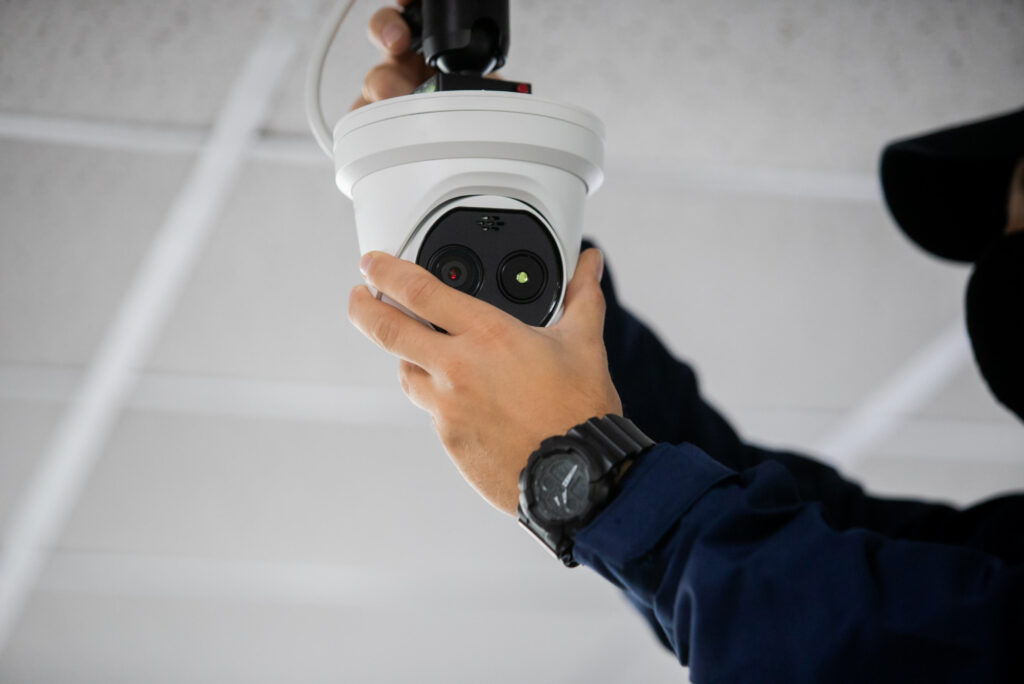
Investing in the right security system is critical for protecting your employees, assets, and operations. By asking the right questions, evaluating your unique needs, and selecting a system that is scalable, integrated, and well-supported, you create a security solution that grows with your business and provides peace of mind. A thoughtfully designed security system is more than a safeguard, it is a strategic asset that enhances operational efficiency, protects your reputation, and supports the long-term success of your business.