
Live audio is one of the most critical components of modern professional communication. Whether it is used in corporate environments, performance venues, houses of worship, or educational spaces, live audio determines how clearly and effectively a message is delivered to an audience. Unlike recorded media, live audio happens in real time, which means the system must perform perfectly the first time without the benefit of editing or post-production refinement.
In today’s technology-driven world, organizations rely heavily on live presentations and events to connect with employees, customers, and communities. This makes audio clarity and reliability more important than ever. When sound quality is poor, even the strongest message can lose its impact. Professional live audio systems help ensure that speech, music, and announcements are delivered with natural clarity and consistency.
Why Live Audio Is Unique
Live audio is fundamentally different from recorded content because there is no opportunity for correction once the sound leaves the speaker or microphone. In post-production environments, engineers can adjust levels, remove background noise, and correct imperfections after recording. Live audio does not offer that luxury.
Every sound that reaches the audience is happening in the moment. If a microphone experiences interference, if feedback occurs, or if the system is not properly tuned, the audience experiences the problem immediately. This creates a high level of pressure on the technology and the design behind the system.
Because live audio is unforgiving, system quality and engineering precision matter significantly. Organizations cannot afford unreliable performance when hosting important meetings, performances, or announcements.
The Importance of Custom Live Audio Design
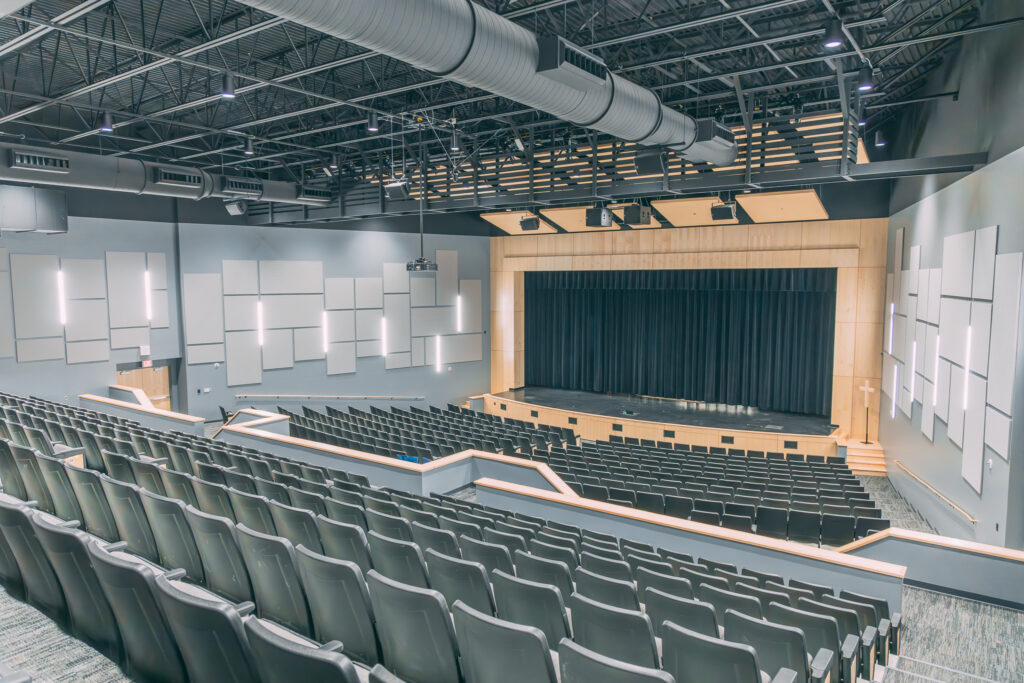
One of the biggest misconceptions about live audio technology is that a single standardized system can work for every space. In reality, every room behaves differently from an acoustic standpoint. Building materials, ceiling height, seating arrangement, and audience size all influence how sound travels.
Custom design allows engineers to evaluate these variables and build a system that is optimized specifically for the environment. Instead of forcing a space to adapt to generic equipment, a custom solution ensures that the technology works naturally within the architecture of the room.
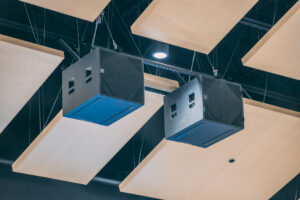
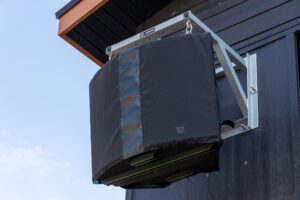
Professional integrators focus on speaker dispersion, microphone technology, signal processing, and acoustic modeling to create balanced coverage across the listening area. This helps eliminate dead zones where sound is too quiet as well as hotspots where audio may be too loud or distorted.
At TSI Global, live audio solutions are approached as a complete system rather than a collection of individual components. The goal is to design technology that works seamlessly for the people who use it every day.
Reliability Matters in Real-Time Environments
Because live audio operates in real time, reliability becomes one of the most important design priorities. A failure during a live event is not just a technical issue, it can affect audience engagement, professionalism, and overall communication effectiveness.
Professional systems are built with stability in mind. This includes selecting high-quality infrastructure, ensuring proper wireless spectrum management, and designing signal paths that minimize the risk of interruption.
Wireless microphone technology must be carefully planned to avoid interference, especially in environments where multiple devices may be operating simultaneously. Proper coordination of frequencies and hardware selection helps maintain consistent signal strength throughout the event.
Monitoring and maintenance also play a role in long-term reliability. Many modern live audio installations incorporate diagnostic tools that allow teams to identify potential issues before they impact an event.
Simplicity of Operation for Staff and Users
Another important aspect of professional live design is usability. Even the most advanced audio system must remain practical for the people who operate it.
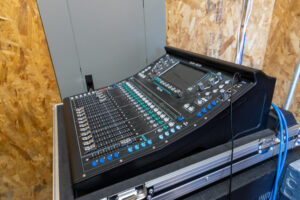
Custom control interfaces allow staff members to manage events without needing extensive technical knowledge. Preset configurations can be created for different types of events, reducing setup time and minimizing operational complexity.
When systems are designed with the end user in mind, organizations experience fewer mistakes during live events and greater confidence in their technology. The goal is to make operating live audio feel natural rather than overwhelming.
Future Growth and Technology Integration
Live audio technology continues to evolve as communication platforms and event formats change. Organizations should think about their long-term technology roadmap when investing in audio infrastructure.
Scalable live audio systems allow new functionality to be added without requiring a complete system replacement. This is especially important for organizations that host events regularly or anticipate future expansion.
Integration with video conferencing platforms, control automation systems, and modern digital processing technology ensures that your system remains compatible with emerging communication tools.
The Value of Professional Live Audio Solutions
Investing in professional live audio technology is ultimately about protecting the quality of communication. Whether delivering a keynote address, hosting a community event, or supporting internal collaboration, organizations depend on sound that is clear, natural, and dependable.
Poor audio quality can distract audiences from the message being delivered. When listeners struggle to hear or understand what is being said, engagement decreases and the overall impact of the presentation is weakened.
Professional live audio design removes these barriers by prioritizing acoustic performance, system reliability, and operational simplicity.

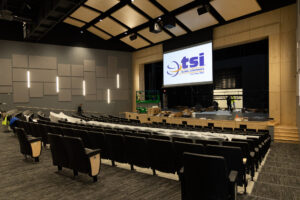
Live Audio Is About the Moment
The defining characteristic of live audio is that it exists only in the moment it is delivered. There is no replay button for a speech spoken to a live audience. There is no opportunity to repair sound quality after a performance has already ended.
Every announcement, performance, and presentation must be captured and transmitted correctly the first time. This is why organizations that depend on live communication need technology they can trust.
Live audio is more than equipment, it is a communication tool that helps organizations share their message with confidence. When live audio systems are properly designed and professionally installed, technology disappears into the background and allows the message to take center stage.
For organizations looking to improve their live audio performance, working with experienced professionals ensures that the system is built around both technical excellence and real-world usability. High-quality live audio is not about complexity; it is about delivering clear, reliable sound when it matters most.