
Keeping your people, assets, and facilities secure is a top priority for any organization. Whether you manage a small office, a large commercial building, or multiple locations, protecting what matters most requires more than just locks and keys. Intrusion Detection plays a critical role in modern security strategies, offering real-time awareness, faster response times, and greater peace of mind. While most people understand the general concept of an alarm system, knowing how to properly implement and maintain Intrusion Detection can make a significant difference in its effectiveness.
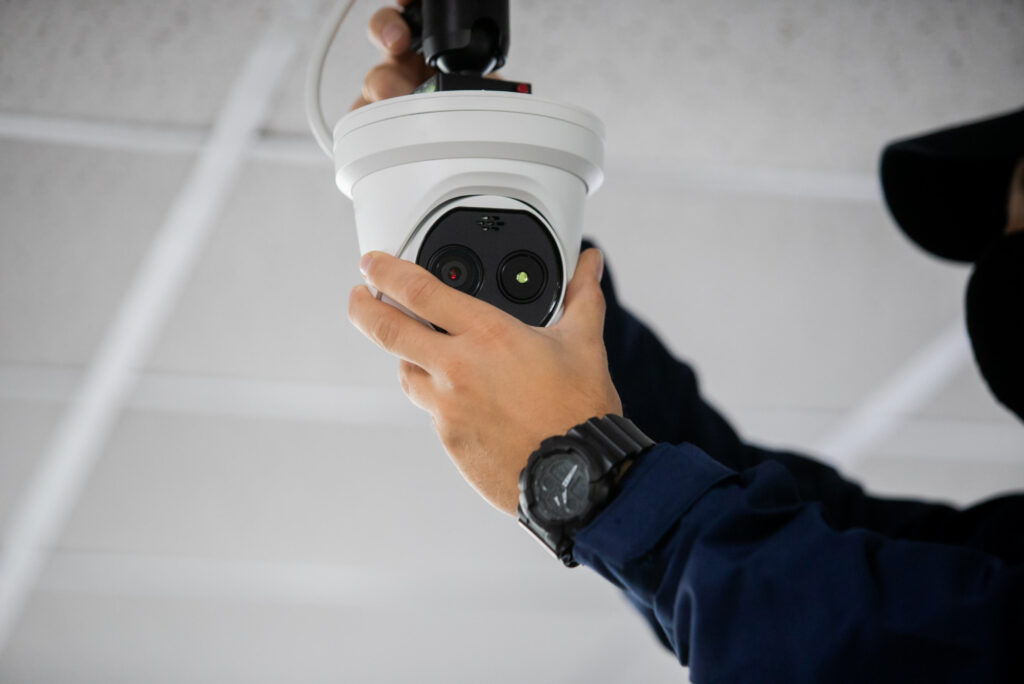
Why Intrusion Detection Is Essential for Modern Security
Intrusion Detection is designed to identify unauthorized access or suspicious activity within a protected space. These systems serve as both a deterr and a rapid-response tool, helping to prevent loss, vandalism, and safety risks. In today’s environment, where businesses face increased security challenges, Intrusion Detection provides continuous protection even when facilities are unoccupied. A well-planned system supports operational continuity while reinforcing a culture of safety and accountability.
Understanding How Intrusion Detection Systems Work
Intrusion Detection systems typically use a combination of door and window contacts, motion sensors, alarm panels, and monitoring services. When a sensor detects unexpected movement or a breach, the system triggers an alert that can notify on-site personnel, administrators, or a monitoring center. Modern Intrusion Detection solutions often integrate with other security technologies, such as access control or video surveillance, to provide a more complete view of what is happening and why an alert was generated.
Keep Alarm Codes Updated to Maintain Secure Access
One of the most important best practices for Intrusion Detection is keeping alarm codes current. Access credentials should only be assigned to active employees or authorized personnel. When staff members leave an organization or change roles, their alarm codes should be promptly removed or updated. Outdated codes introduce unnecessary vulnerabilities and make it difficult to track who is accessing a facility. Maintaining accurate alarm codes strengthens the overall effectiveness of Intrusion Detection while improving accountability.
Leverage Remote Monitoring for Greater Visibility
Remote access and monitoring are valuable features of modern Intrusion Detection systems. Administrators can view system status remotely, including when alarms are armed or disarmed. This is especially helpful for organizations with multiple locations, flexible schedules, or after-hours operations. Remote monitoring allows security teams to quickly verify activity and respond appropriately without being physically present. When paired with professional monitoring services, Intrusion Detection ensures alerts are handled promptly, day or night.
Design Your Intrusion Detection System Around Your Space
Every facility has unique characteristics, which is why Intrusion Detection should never be a one-size-fits-all solution. Factors such as layout, square footage, entry points, lighting, and daily traffic patterns all influence system design. The number and placement of sensors, alarm panels, and monitoring zones should align with how the space is used. For example, a warehouse, office building, healthcare facility, or retail location will each require a different Intrusion Detection approach to ensure complete and reliable coverage.
Keep Contact Information Accurate and Up to Date
Accurate contact information is critical to effective Intrusion Detection. In the event of an alarm, monitoring centers rely on predefined contact lists to notify keyholders or emergency contacts. If phone numbers or email addresses are outdated, valuable response time can be lost. Regularly reviewing and updating contact information ensures the right people are notified quickly, helping resolve incidents faster and reducing unnecessary escalation.
Maintain Sensors and Batteries for Reliable Intrusion Detection
Ongoing maintenance is essential to keeping Intrusion Detection systems operating properly. Motion sensors, door contacts, and alarm panels often rely on batteries, and low battery levels can lead to alerts, false alarms, or missed detections. Most systems provide warnings when batteries need replacement, making it easier to stay ahead of issues. Keeping spare batteries on hand and performing routine checks helps maintain consistent performance and long-term reliability.
Train Your Team to Use Intrusion Detection Effectively
Even the most advanced Intrusion Detection system is only effective if users know how to operate it correctly. Employees should be trained on how to arm and disarm the system, recognize alerts, and follow established procedures if an alarm is triggered. Proper training reduces user error, which is one of the most common causes of false alarms. When staff are confident using Intrusion Detection, it becomes a seamless part of daily operations rather than a disruption.
How TSI Delivers Reliable Intrusion Detection Solutions
TSI brings years of experience working with organizations across a wide range of industries to design and implement Intrusion Detection solutions that meet real-world needs. From initial assessment to system design and installation, TSI focuses on building systems that align with each customer’s space, workflow, and security goals. During installation, the TSI team works closely with customers to ensure they are comfortable using the Intrusion Detection system from day one.

Ongoing Support and Scalability for Intrusion Detection Systems
Security needs change over time, and Intrusion Detection systems should be able to adapt. Whether a business expands, reconfigures a space, or updates internal processes, system adjustments may be required. TSI provides ongoing support to address issues, make changes, and scale Intrusion Detection solutions as needs evolve. A simple phone call ensures assistance is available whenever updates or troubleshooting are needed.
Intrusion Detection is no longer optional for organizations that prioritize safety and operational continuity. When properly designed, maintained, and supported, it delivers more than alerts, it provides confidence and peace of mind. By following best practices and partnering with experienced professionals like TSI, businesses can ensure their Intrusion Detection strategy remains effective, reliable, and ready for the future. For more information on physical security systems, click here.