
When it comes to upgrading screens in your office, lobby, conference room, retail space, or facility, it can be tempting to grab a large TV from Costco or Best Buy and call it a day. They’re affordable, easy to find, and look impressive sitting on a pallet under bright showroom lights. On the surface, they seem like a smart way to save money. But there’s a major difference between a residential television and a true Commercial Display. While they may look similar, they are built for completely different purposes. If your screen will be used daily in a professional environment, the choice you make will directly impact reliability, performance, and long-term cost.
What Is a Commercial Display?
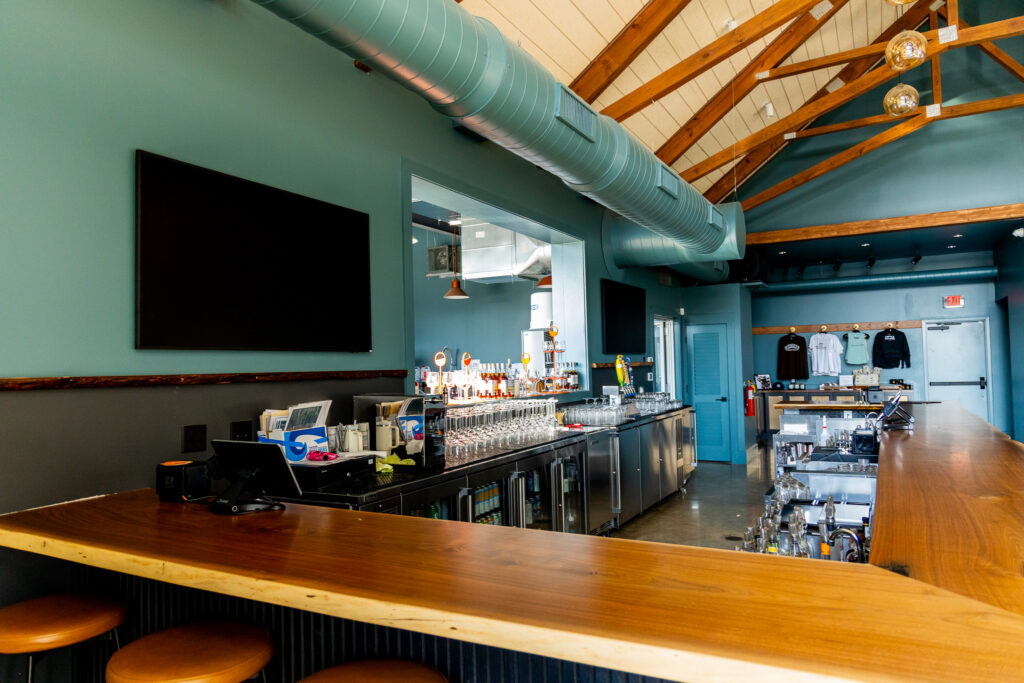
A Commercial Display is a professional-grade screen specifically engineered for business use. Unlike consumer TVs designed for living rooms and occasional evening viewing, commercial models are built to operate for extended hours in brighter, more demanding environments. Many are rated for 16/7 or even 24/7 operation, meaning they can run all day, every day, without overheating or degrading prematurely.
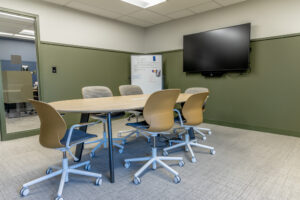
In commercial settings such as corporate offices, healthcare facilities, manufacturing plants, schools, churches, and retail stores, screens are rarely used casually. They often serve as digital signage, communication hubs, conference room displays, dashboards, or brand-forward visual elements. A Commercial Display is designed with that level of demand in mind.
Built for the Realities of Business Use
One of the biggest differences between a Commercial Display and a consumer TV is durability. Most TVs sold through retail chains are engineered for about four to six hours of use per day. In contrast, business environments may require screens to be on from opening to closing—or continuously in operations centers, security rooms, or hospital environments.
Over time, running a residential TV beyond its intended usage leads to premature failure, dimming panels, overheating, and voided warranties. Commercial Displays are constructed with higher-grade internal components, better cooling systems, and panels designed to maintain brightness and clarity even after years of extended runtime.
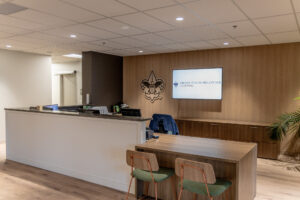
Brightness itself is another major factor. Retail floors, glass-front lobbies, conference rooms with natural light, and large open office areas create lighting conditions far brighter than a typical living room. Consumer TVs are optimized for darker environments. Commercial Displays offer higher brightness levels and anti-glare coatings that ensure content remains sharp and readable in real-world business conditions.
Installation Flexibility Matters
In commercial environments, displays are rarely sitting on a TV stand. They are mounted in portrait orientation for digital signage, recessed into walls, installed in video walls, suspended from ceilings, or integrated into custom millwork. Many consumer TVs are not rated for portrait orientation and can suffer from heat distribution issues when mounted vertically.
Commercial Displays are engineered for flexible installation. They follow industry-standard mounting specifications, provide improved ventilation, and are designed to integrate cleanly with structured cabling systems and professional AV control platforms. That flexibility ensures both performance and a polished, professional appearance.
Warranty and Long-Term Protection
Another overlooked factor is warranty coverage. Many manufacturers clearly state that using a residential TV in a commercial environment voids the warranty. That means if the screen fails in your lobby or conference room, you may be replacing it entirely out of pocket.
Commercial Displays typically include longer commercial warranties and support options tailored for business environments. When uptime matters—and it always does in a professional setting—having proper coverage and manufacturer backing protects your investment.
Integration and Control
Consumer TVs are designed with streaming apps, advertising integrations, and automatic updates intended for home users. In contrast, Commercial Displays are built to integrate seamlessly with digital signage platforms, AV control systems, video conferencing solutions, and centralized management software.
For organizations managing multiple screens across various rooms or locations, commercial models allow for remote monitoring, scheduled content updates, and centralized control. That scalability simply isn’t possible with off-the-shelf residential televisions.

The True Cost of “Saving Money”
While a consumer TV may have a lower upfront price, the total cost of ownership often tells a different story. Replacing screens every year or two due to failure, managing inconsistent brightness, or dealing with downtime ultimately costs more than investing in the right solution from the start.
A Commercial Display is built to last longer, perform more consistently, and maintain a professional image for your brand. In business environments, technology is not just a convenience—it reflects your organization’s standards.
Choosing the Right Commercial Display
Selecting the right Commercial Display goes beyond picking a screen size. Viewing distance, content type, lighting conditions, mounting requirements, and integration needs all play a role in determining the best fit. A boardroom may require ultra-high resolution and collaboration capabilities, while a warehouse might demand higher brightness and rugged durability. Retail spaces often benefit from portrait-oriented displays optimized for digital signage.
Every environment is different, and choosing the right display ensures you maximize both performance and longevity.
Final Thoughts
While buying a television from Costco or Best Buy might seem like an easy solution, commercial environments demand equipment designed specifically for business use. A true Commercial Display offers longer runtime capability, higher brightness, flexible installation options, better integration, and proper warranty protection.
When your screens are part of how you communicate, operate, and represent your brand, cutting corners can become expensive. Investing in the right Commercial Display ensures your technology supports your business today, and continues performing for years to come. TSI is your one-stop shop for all your commercial display technology needs, delivering reliable solutions designed to perform for years to come.