
Staying ahead in today’s fast-moving digital world requires more than updated hardware, it demands a strategic approach to AV Business. Modern companies rely on audio-visual technology to communicate clearly, collaborate effectively, and deliver memorable customer experiences. As organizations shift toward hybrid workplaces and more connected environments, AV systems have become a critical foundation for productivity and engagement. To help you stay competitive, here are the five most important AV trends shaping how businesses operate in 2025. Whether you’re upgrading meeting rooms, enhancing customer-facing spaces, or improving internal communication, these trends highlight how AV Business is evolving and where your organization should focus next.

1. The Demand for Smarter, More Connected Collaboration Spaces
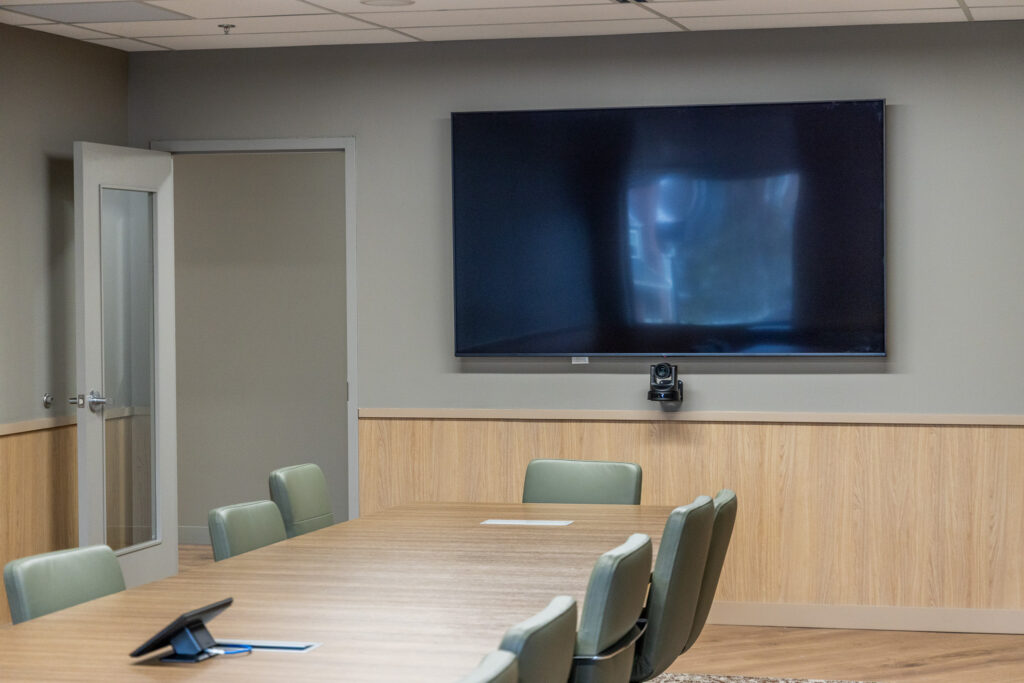
The rise of hybrid work has permanently redefined what meeting rooms need to accomplish. Conference spaces are no longer just places to gather, they must seamlessly integrate both in-person and remote participants. Companies are increasingly investing in smarter collaboration environments powered by intuitive AV Business solutions to ensure meetings run smoothly and consistently. Today’s upgraded rooms include intelligent cameras that track speakers automatically, beamforming microphones that capture every voice, interactive displays with wireless sharing, and room automation that adjusts lighting, sound, and equipment with one touch. With a strong AV Business strategy, your team gains more efficient collaboration, better meeting quality, and fewer technical frustrations.
2. The Rise of Digital Signage as a Communication Powerhouse
Digital signage has evolved far beyond menu boards or lobby screens. It is now one of the fastest-growing technologies within AV Business thanks to its ability to engage, inform, and influence people in real time. Organizations are using digital signage to push internal announcements, guide visitors with interactive directories, promote services and brand messaging, highlight live data dashboards, and elevate customer experience through dynamic visual content. With cloud-based management, content updates can be deployed instantly across multiple locations, ensuring clear and consistent communication. Because of this scalability, digital signage has become a key component of any strong AV Business communication strategy.
3. Unified Communication Platforms Are Becoming Standard
Teams rely heavily on platforms like Microsoft Teams, Zoom, and Webex, but video meeting software alone isn’t enough. Modern organizations expect end-to-end, fully integrated AV Business systems that blend hardware, software, automation, and control into one seamless experience. Unified communication ecosystems eliminate compatibility issues, improve meeting reliability, reduce IT support needs, and support employees working on-site or remotely. Adopting these integrated platforms helps companies standardize their technology, reduce operational friction, and create dependable meeting environments. Investing in unified communication has moved from a luxury to an essential part of AV Business.
4. Security-Driven AV Is Reshaping the Workplace
With technology more connected than ever, cybersecurity is now a major priority in AV Business planning. Today’s AV systems must protect against unauthorized access, network breaches, and potential data leaks across audio, video, and control systems. Many businesses are also incorporating AV tools that support physical security, including video display walls for monitoring centers, audio-based detection tools, and integrated communication platforms for emergency announcements. As the relationship between AV and security continues to grow, companies that invest in secure, hardened AV infrastructures are better equipped for long-term protection and operational continuity.
5. AI-Enhanced AV Is Transforming User Experience
AI is rapidly expanding what’s possible in AV Business environments. Artificial intelligence helps systems operate more efficiently, reduces user error, and improves overall performance. AI-driven features include automatic camera framing, speaker tracking, noise suppression, predictive maintenance alerts, voice-activated room controls, and usage analytics dashboards that reveal how spaces and technologies are being used. These intelligent enhancements allow organizations to work smarter, reduce downtime, and create more intuitive, user-friendly experiences for both employees and visitors.
Final Thoughts
As technology continues to evolve, so does the importance of AV Business. Companies that stay ahead of these trends will deliver better experiences, improve communication, and build workplaces that support productivity and growth. Whether you’re upgrading customer-facing environments, improving collaboration spaces, or enhancing your communication systems, AV has become a strategic differentiator, not just another piece of hardware. If you’d like a summary, meta description, or social caption for this post, I can create those too!