
Technology is the backbone of modern business operations. From daily communication and collaboration to security and connectivity, your systems must keep pace with how your organization works today , not how it operated five or ten years ago. Unfortunately, many businesses don’t realize their Business Technology Infrastructure is holding them back until productivity drops, issues become frequent, or growth stalls altogether. If your organization is experiencing growing pains, it may be time to evaluate your business technology infrastructure. Below are five clear signs that your current setup can no longer support your needs, and what to do next.
1. Frequent Downtime and System Failures
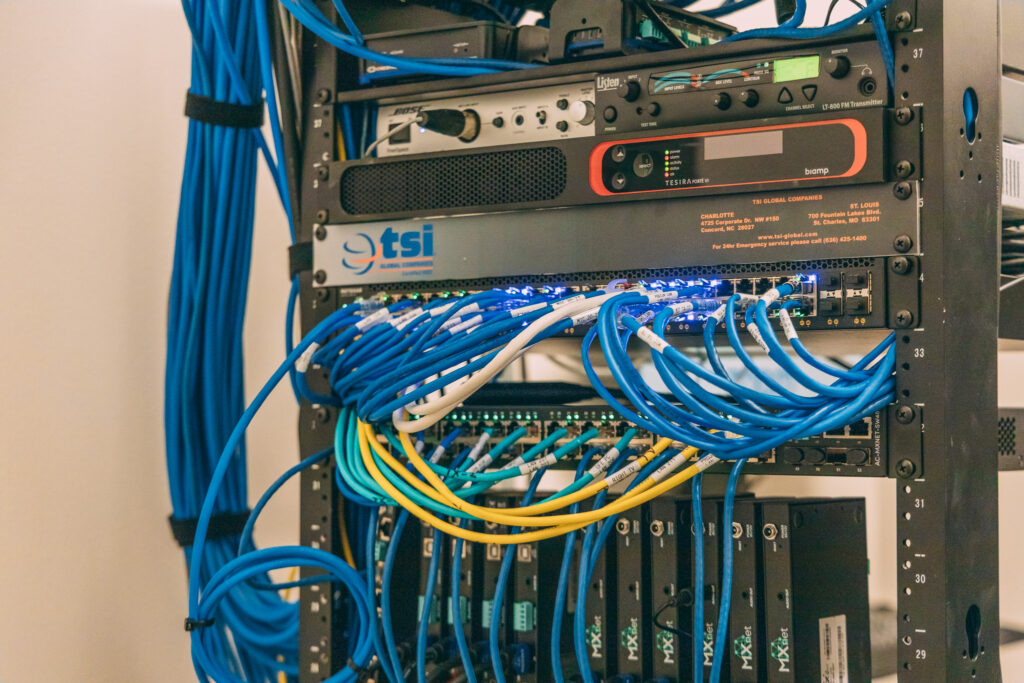
When technology issues become a regular occurrence, they are no longer minor inconveniences, they’re warnings. Frequent network outages, dropped video calls, frozen displays, or inconsistent system performance often indicate aging or undersized infrastructure. Outdated cabling, overloaded networks, or legacy AV equipment struggle to support modern workloads. As organizations rely more on cloud services, video conferencing, and real-time collaboration tools, these weaknesses become increasingly obvious. Reliable business technology infrastructure should support daily operations without constant troubleshooting. If your IT team or service provider is repeatedly addressing the same issues, it’s time to look at long-term solutions rather than temporary fixes.
2. Poor Audio and Video Performance in Meetings
Clear communication is essential, especially in hybrid and remote work environments. If meetings are plagued by poor audio quality, unreliable video, or complicated user experiences, your technology is likely outdated or improperly designed. Many conference rooms were built for in-person meetings and never upgraded to support today’s collaboration tools. Inconsistent microphones, low-quality cameras, and mismatched displays can frustrate employees and make meetings less effective. Modern business technology infrastructure includes scalable AV solutions designed to support seamless communication across multiple platforms. If your meeting spaces feel more like obstacles than assets, an AV refresh may be overdue.
3. Limited Scalability for Growth
Growth is a positive sign, unless your technology can’t keep up. Whether you’re adding employees, expanding locations, or adopting new tools, your infrastructure must scale alongside your business. Older networks and cabling systems were often designed with minimal capacity and limited flexibility. As demand increases, these systems become bottlenecks, leading to slower speeds, reduced reliability, and increased costs to patch problems as they arise. A well-designed business technology infrastructure should be built with future growth in mind. Structured cabling, flexible network design, and adaptable AV systems allow businesses to expand without starting from scratch every time.
4. Security Gaps and Increased Risk
As technology evolves, so do security threats. If your infrastructure hasn’t been updated in years, it may leave your organization vulnerable to breaches, unauthorized access, or data loss. Disconnected systems, outdated hardware, and inconsistent monitoring make it difficult to maintain a strong security posture. Physical security, network security, and access control should work together, not in isolation. Upgrading your business technology infrastructure allows for better integration between systems, improved visibility, and more effective protection for people, property, and data. Security should never be an afterthought, especially as businesses rely more heavily on connected technology.
5. Technology No Longer Supports How Your Team Works
Work environments have changed dramatically. Hybrid schedules, mobile workforces, and cloud-based tools are now standard. If your technology still assumes everyone works in the same place, at the same time, it’s likely limiting productivity. Employees expect intuitive systems that simply work, whether they’re joining a meeting, accessing data, or connecting to the network. When technology slows them down or requires constant workarounds, morale and efficiency suffer. Modern business technology infrastructure is designed around the user experience. It supports collaboration, mobility, and flexibility while maintaining reliability and performance across the organization.
Why a Proactive Upgrade Matters
Waiting until systems fail completely often leads to rushed decisions, unexpected downtime, and higher costs. A proactive approach allows businesses to plan upgrades strategically, align technology with long-term goals, and minimize disruption. Working with an experienced technology partner like TSI ensures your infrastructure is assessed holistically. From structured cabling and wireless networks to AV systems and security solutions, TSI designs and implements technology that supports how your business operates today, and where it’s headed tomorrow.

Is It Time to Reevaluate Your Technology?
If any of these signs sound familiar, your organization may have outgrown its current setup. Investing in the right business technology infrastructure improves reliability, supports growth, and empowers your team to work more effectively. A thoughtful upgrade isn’t just about replacing equipment — it’s about building a technology foundation that supports success now and well into the future.